Rescue and Street Outreach
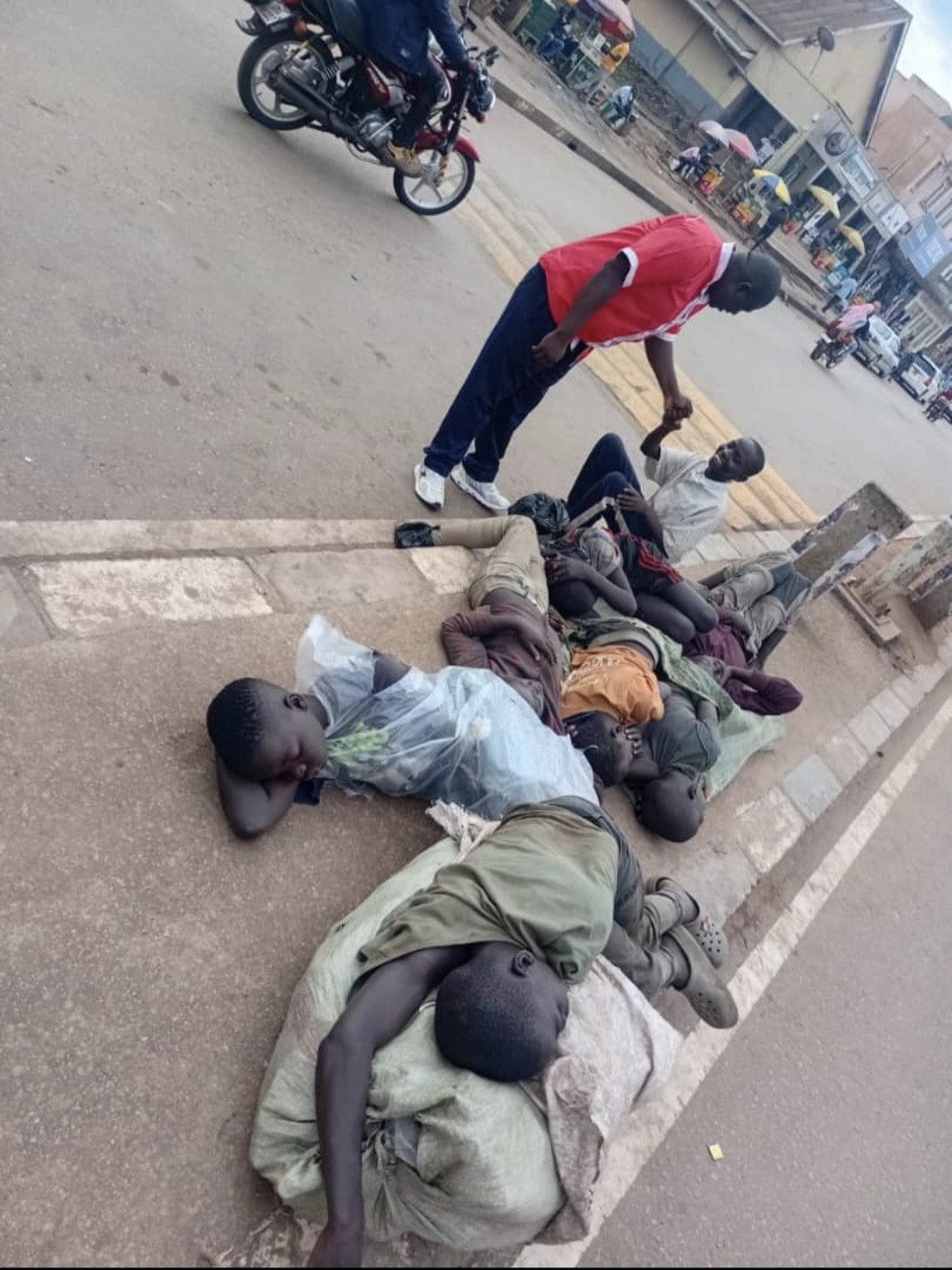
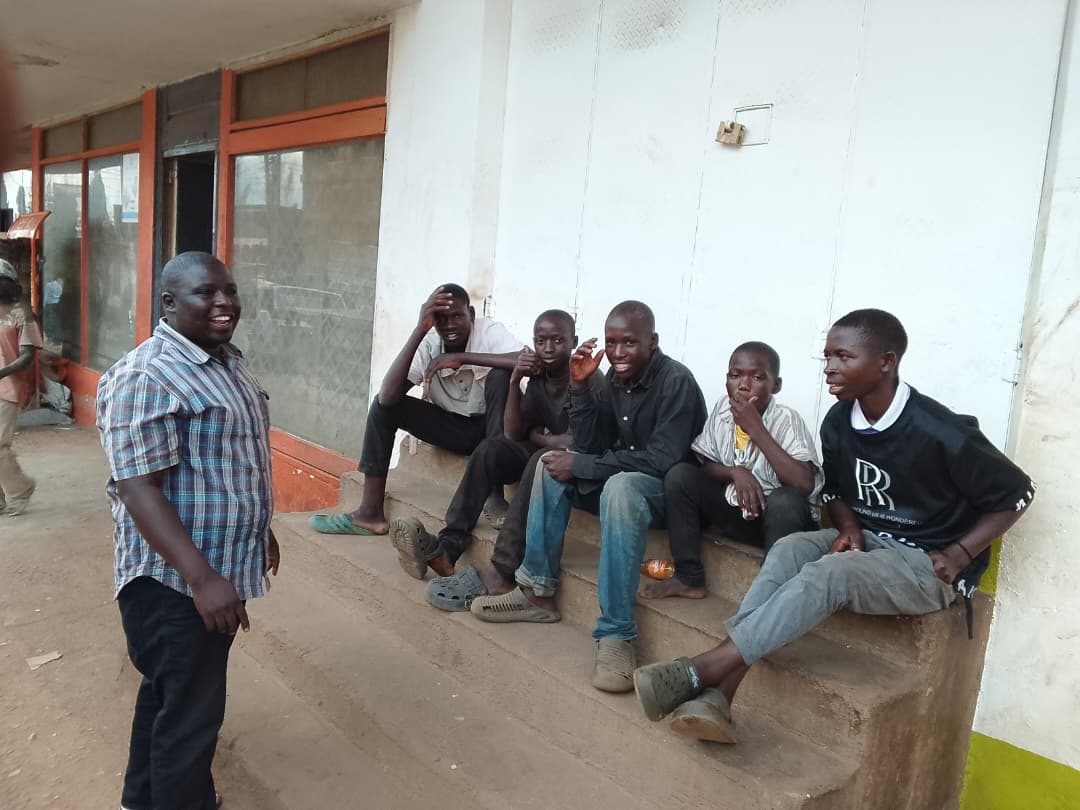
Every child's journey with CRO begins on the street. Our social workers walk the same streets, markets and hotspots day and night, returning again and again so children start to recognise familiar, friendly faces. There is no pressure and no demands, just conversation, listening, and time. Trust cannot be rushed, and only once it is there can a social worker really understand a child's situation and gently open the door to the centre and to rehabilitation. Children who feel judged or pushed will simply go back to the street, so this patient, low threshold approach is essential.
If you want to understand more about life on the street itself, who these children are, how many there are, the role drugs often play, and what daily survival looks like, click here.
Rehabilitation
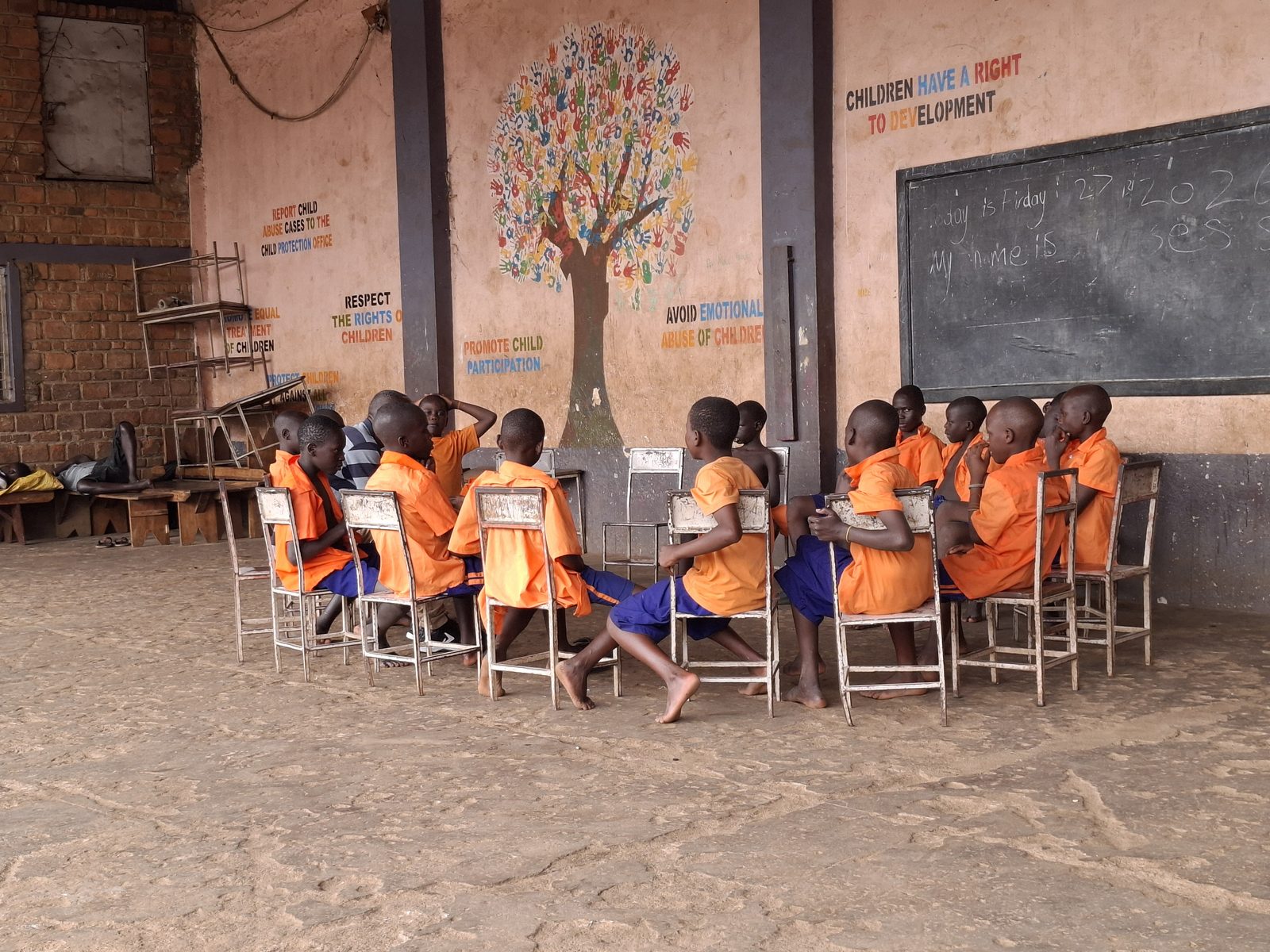
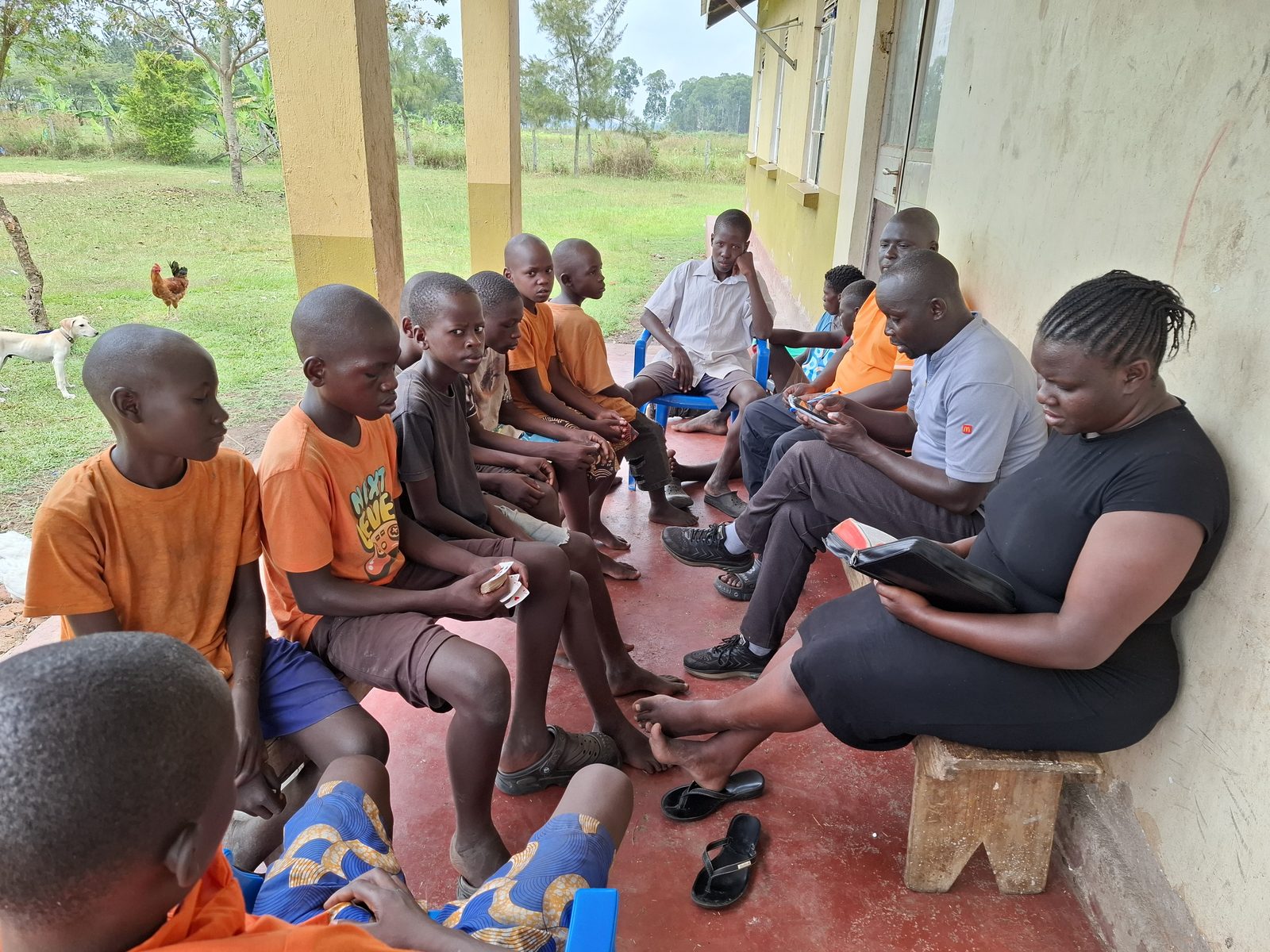
Once rescued, children are enrolled in a rehabilitation programme lasting between 3 and 12 months, giving them time to leave harmful street habits behind and prepare for the next step, whether returning to their family or moving into education. Rehabilitation covers far more than the classroom. Children receive:
- Catch-up education in basic literacy, numeracy, science, art and crafts.
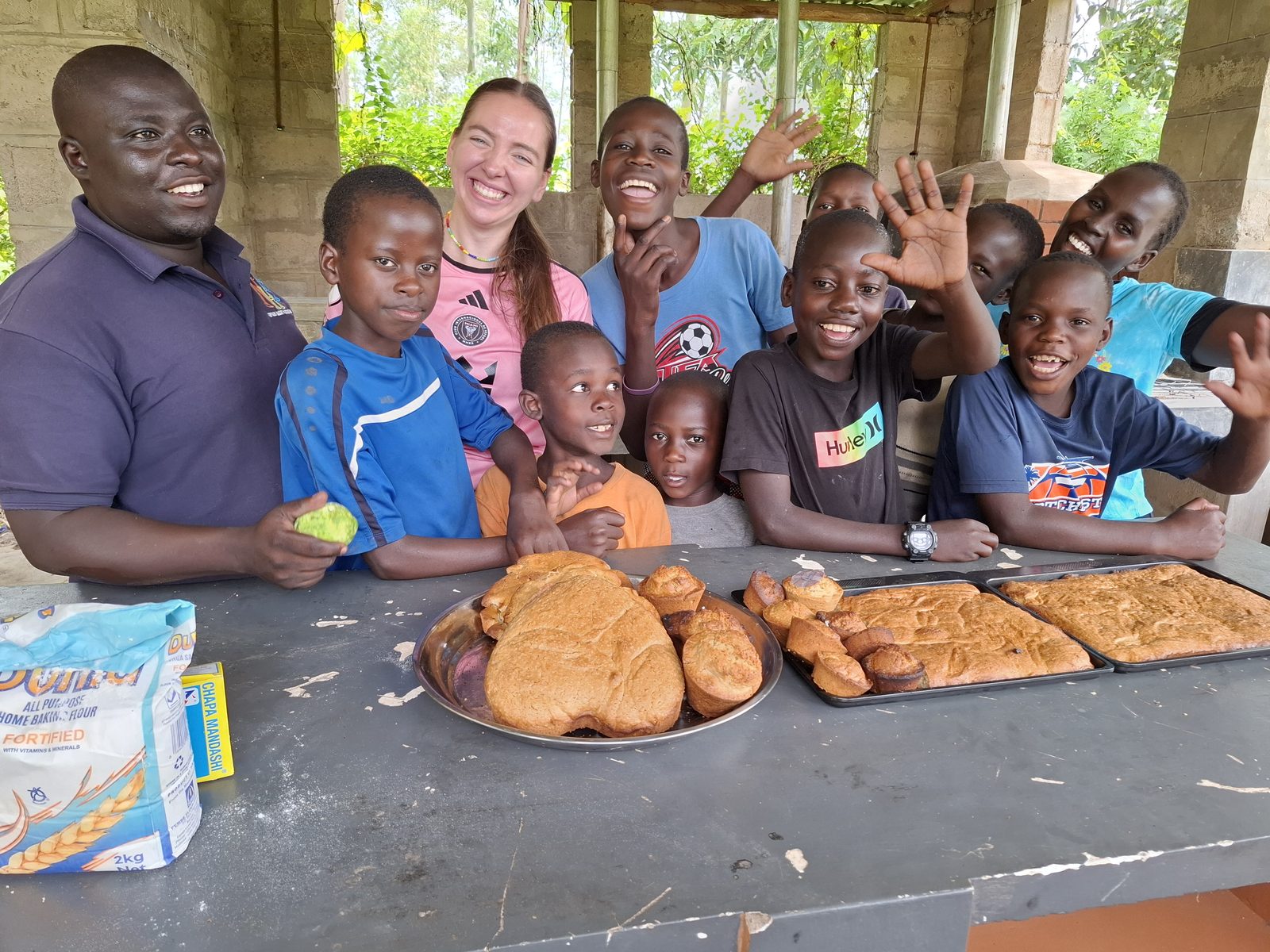
- Recreation through sport, music, dance and art, rebuilding confidence and friendships.
- Spiritual and psychosocial support through counselling, helping children rebuild trust.
- A daily meal at the centre, one of the few regular meals many of these children get.
- Life skills training, and education on HIV/AIDS and reproductive health.
- Medical care, including treatment for common conditions such as malaria and wounds.
CRO operates both a Drop-In Centre and a Transit Home. The Transit Home provides children with temporary shelter and essential needs while they prepare for the next step in their journey. Children who pass through the Transit Home have consistently shown the strongest outcomes when it comes to successful reintegration.

Reintegration and Resettlement
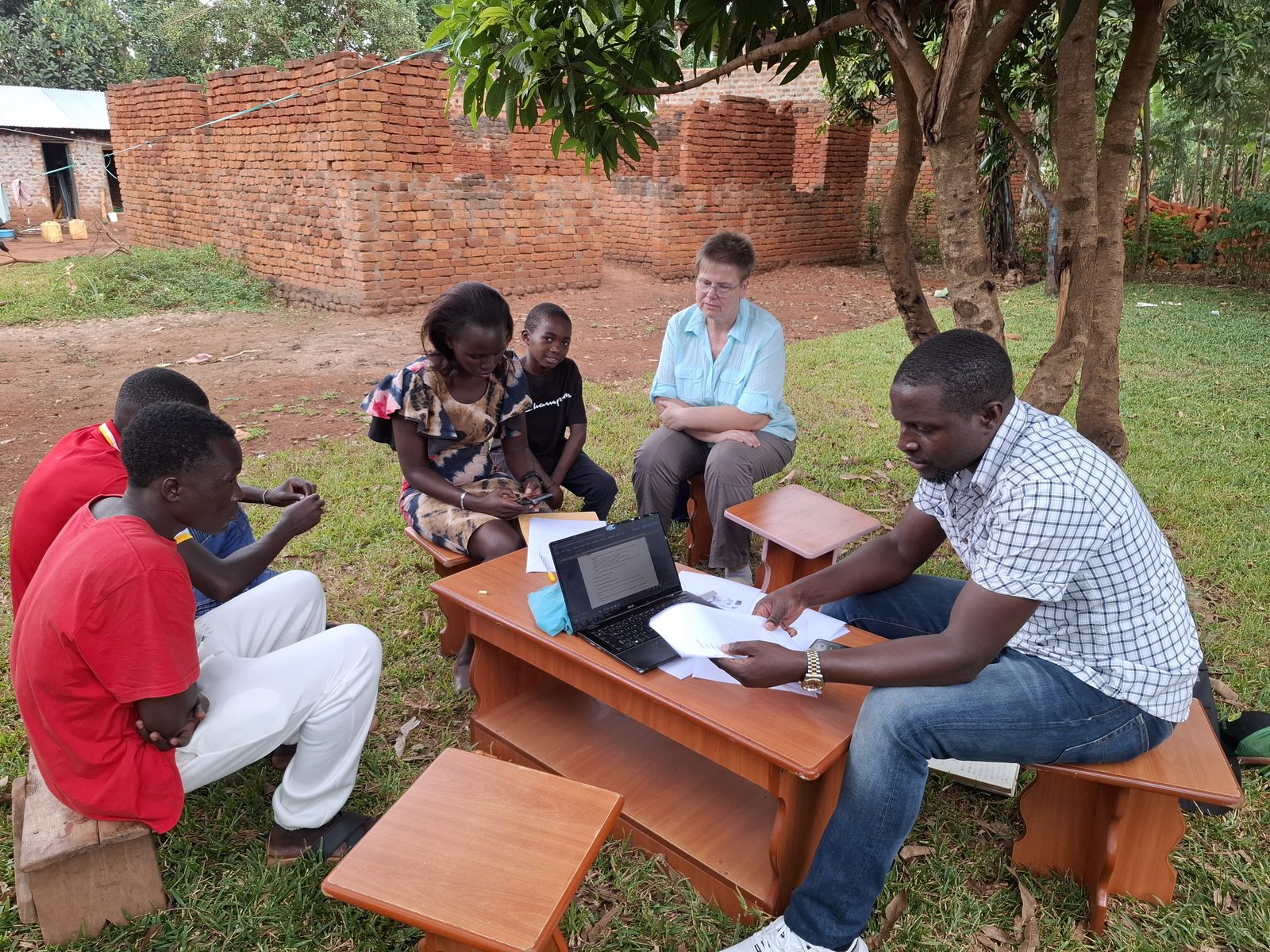
Before a child returns home, we first need to know whether home is safe. If parents have thrown a child out or been violent, our social workers carry out family tracing, reaching out to relatives such as grandparents, aunts or uncles, and assessing whether they can offer a safe environment. Where no family option exists, we look for alternative forms of care.
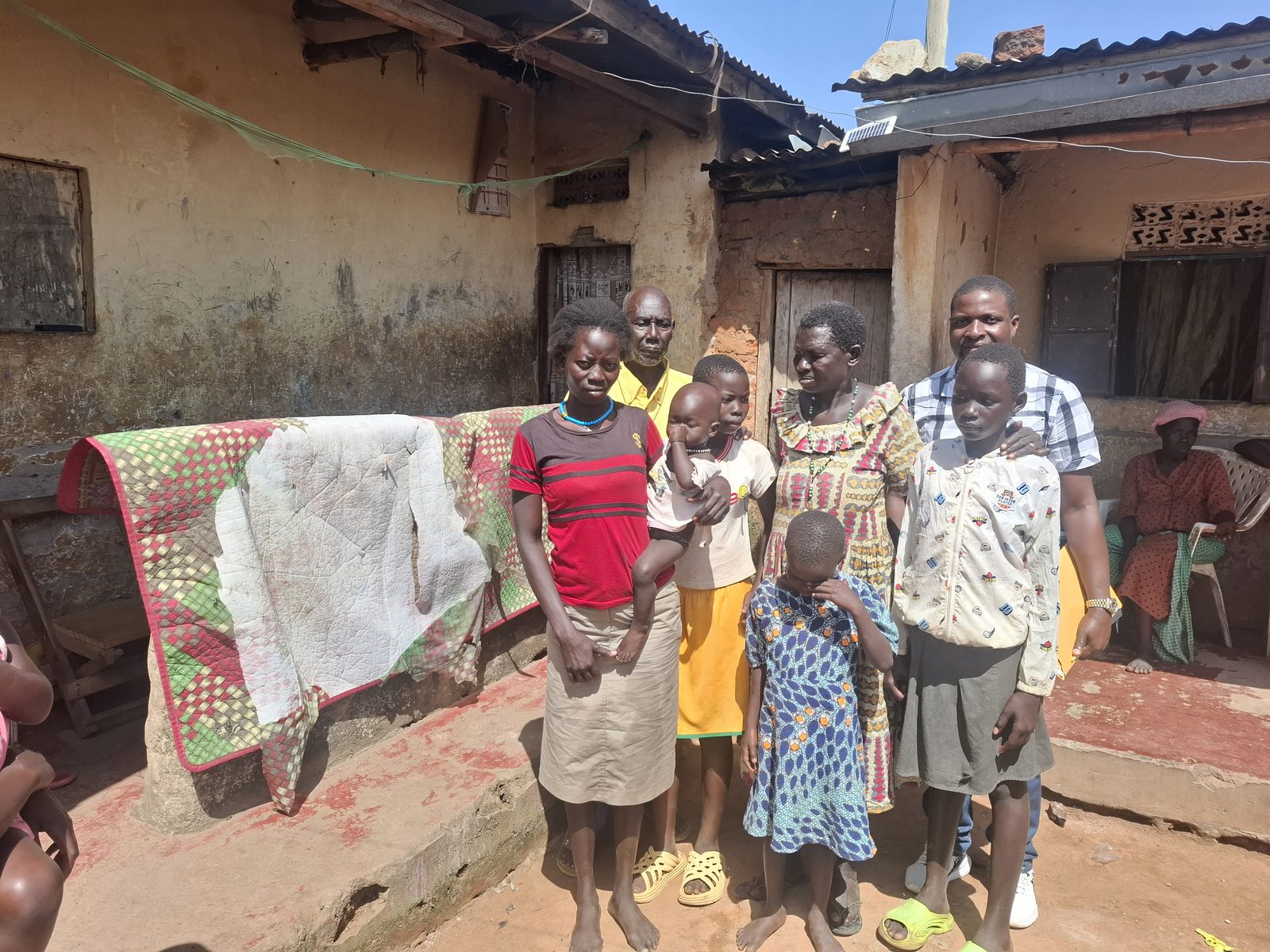
Reintegration itself is rarely simple. Parents may initially reject the child or struggle to accept them back, so social workers accompany every reintegration closely, mediating conversations and providing counselling to rebuild trust step by step. Simple practical support, like a blanket, mosquito net or mattress, can also ease a child back into home life. In some cases, CRO equips families with income generating support, such as a goat, to make reintegration sustainable.
Want to see how this journey looks in practice? Read the stories of children who have gone through the full programme, from rescue to a new life at home. Click here.
Our impact in 2025
539 children were rescued from the streets and taken through rehabilitation, well above our target of 320. Of these, 268 children, 218 boys and 50 girls, were successfully reintegrated with their families.
In the Field
Get involved
Every rescue begins with someone willing to look for a child others have overlooked. Support our outreach teams, help us equip a family for reintegration, or make a donation to help a child take the next step home.