Who Are the Children We Work With?
Behind every child on the street is a story, not a stereotype. Here is what our years of work across Uganda have taught us about who these children are, why they end up there, and what it will really take to bring them home.
Most children on Uganda's streets are not orphans, and they are not there by choice. They are children pushed out by poverty and family breakdown, and pulled in by the small freedoms the street seems to offer. Understanding this difference, between what pushes a child away and what keeps them there, is the first step to bringing them home for good.
Who are children in street situations?
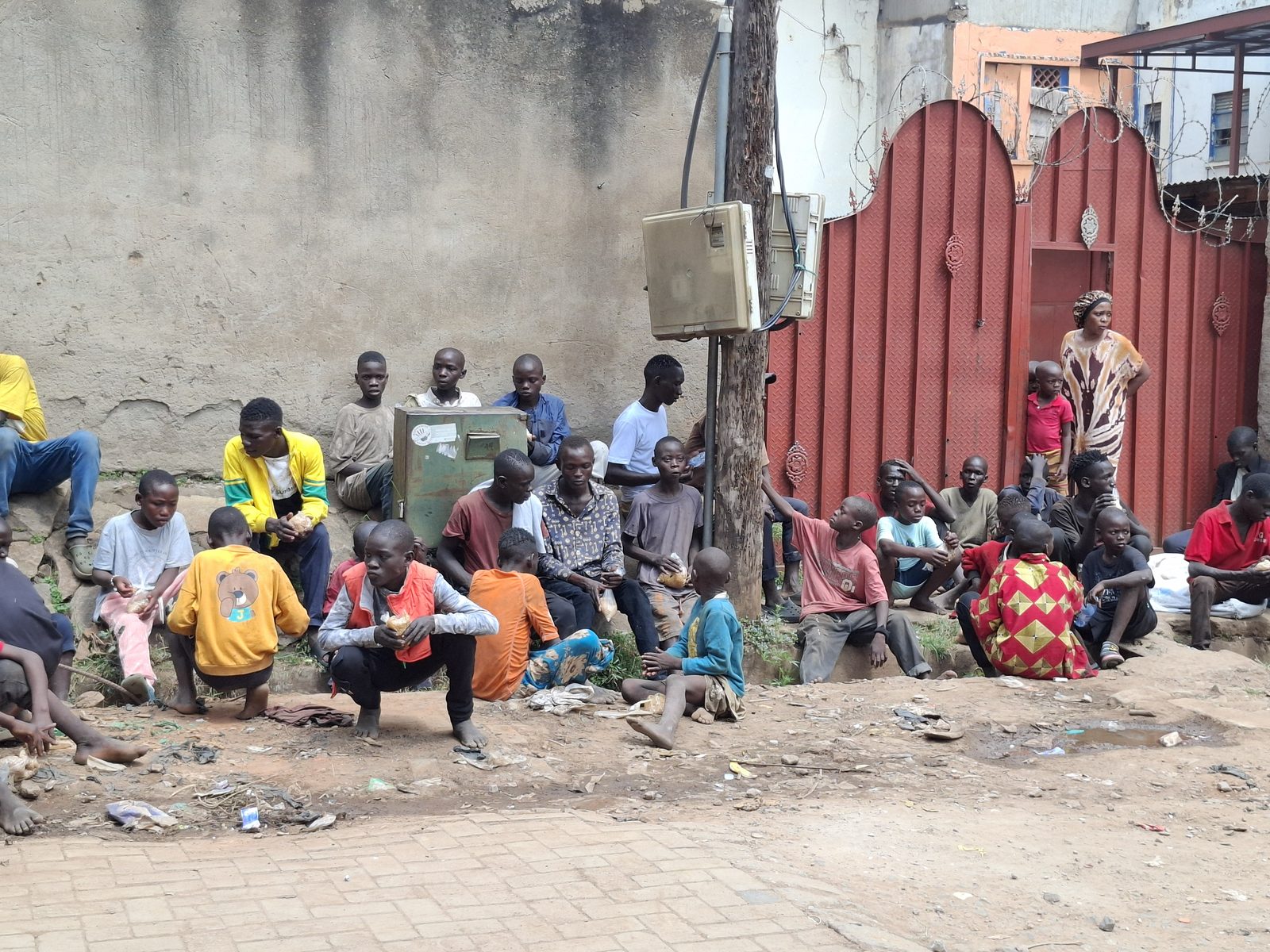
The term "street children" is often used, but it can be misleading because it suggests a fixed identity. In reality, these children are not all the same. That is why many organisations use terms like "children in street situations" or "street-connected children." These include children who spend a lot of time in public spaces to live or work, whether alone, with friends, or with their families. They also include children who are still connected to the street, even if they do not sleep there every night.
Two main groups are often described. Part-time street children spend most of their day on the street but still stay in contact with their families and return home at night. Full-time street children live and sleep on the street and have little or no contact with their families. This distinction matters because each group faces different challenges and needs different kinds of support.
What is their profile?
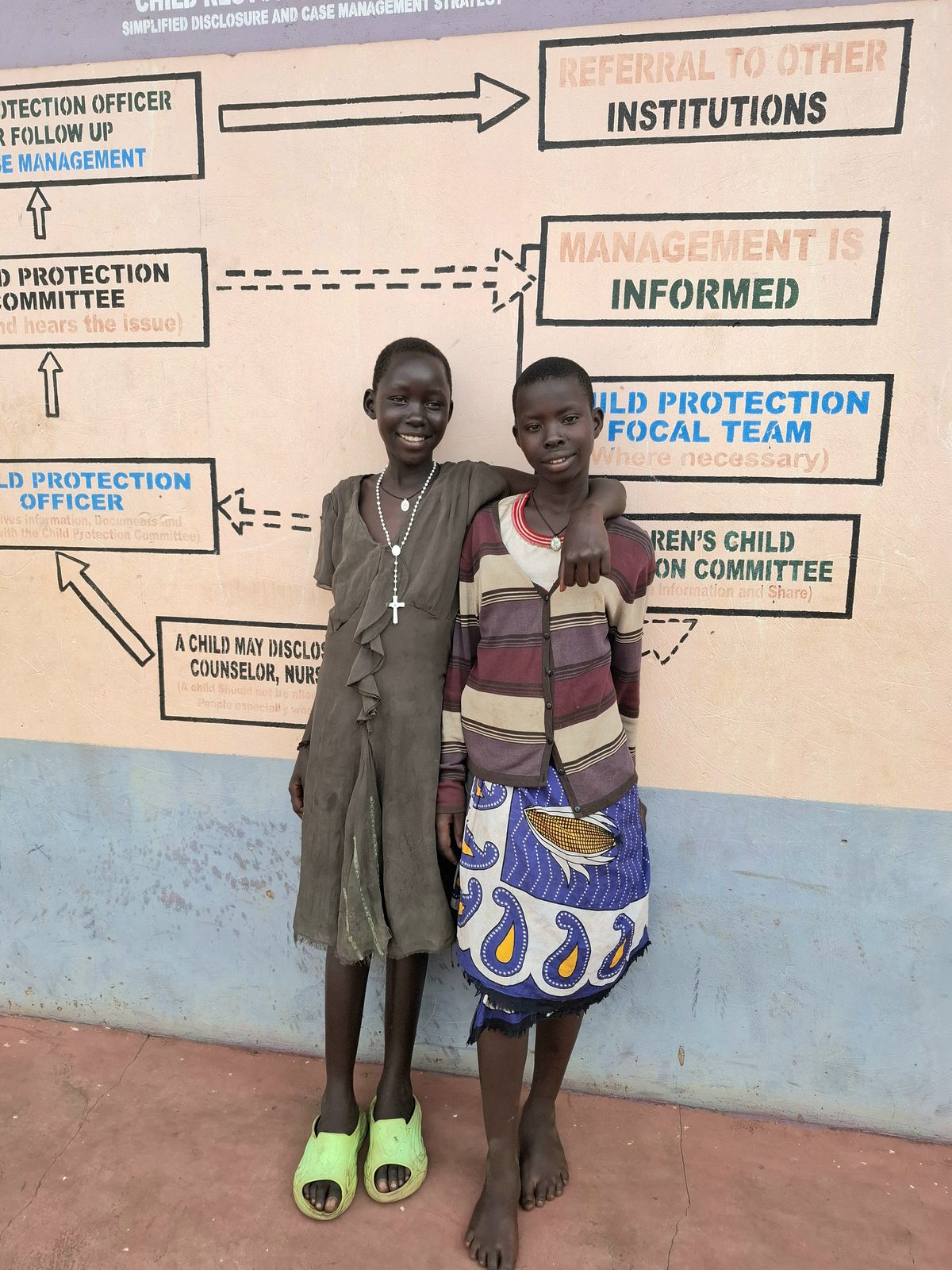
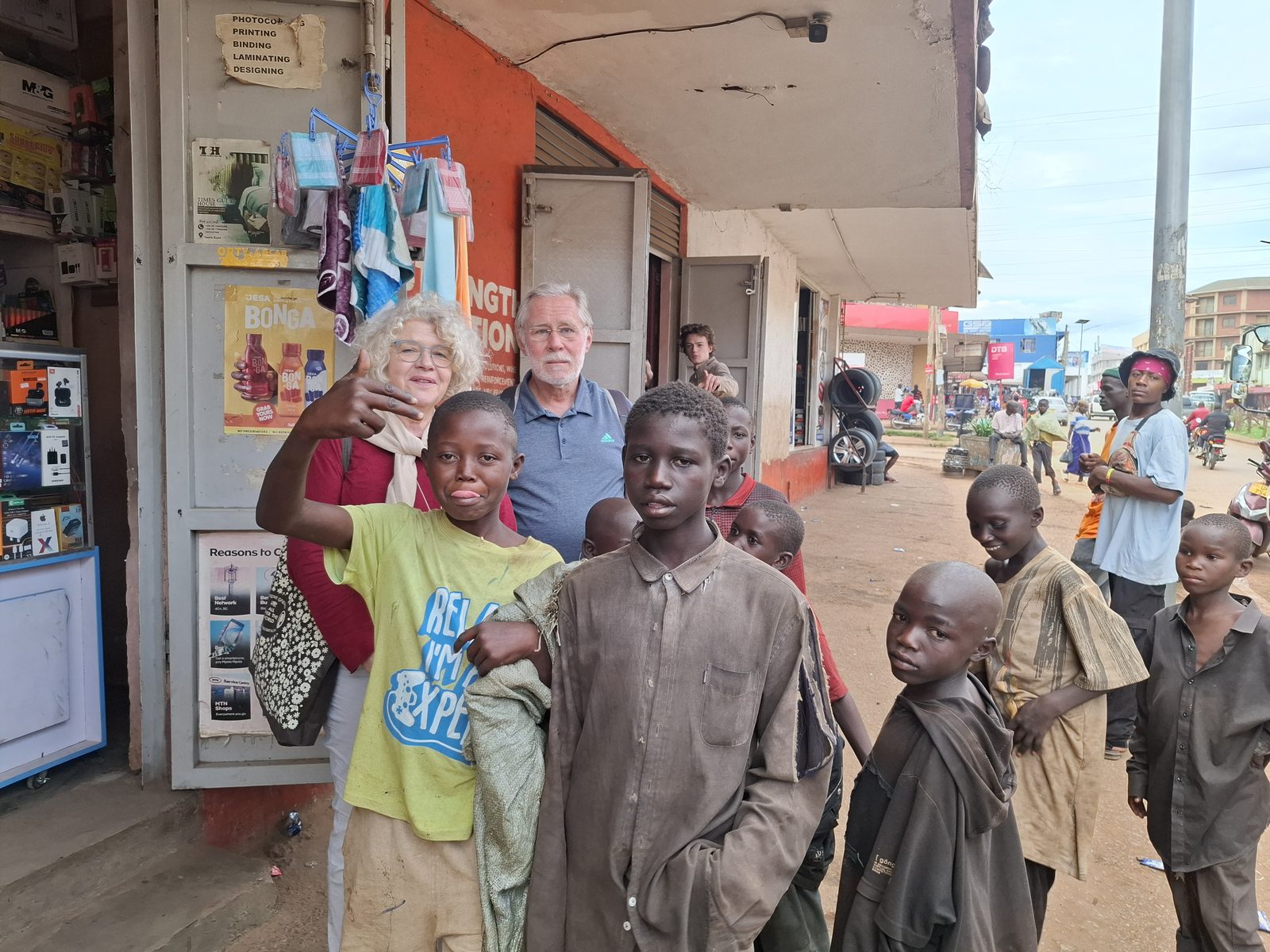
There is no single profile of children living on the streets in Uganda, but there are clear patterns. Most are boys between 11 and 14 years old, though the age range can stretch from 5 to 18. At CRO, we also meet very young children on the streets.
Boys are often more visible than girls, especially in sleeping areas, markets, and transport hubs. Girls are less visible, not because they are safer, but because they are often more vulnerable. They are more likely to be taken off the street quickly or end up in other situations such as working in bars or markets, or, especially for older girls, in prostitution.
Most of the children are not orphans. A 2025 survey by CRO Mbale found that 80% still have both parents, 16% have one living parent, and only 4% are total orphans. The deeper problem is family breakdown: only 14% of parents were still living together, while 86% were separated. Reasons include domestic violence, neglect, death of a parent, polygamy, and alcoholism. Most children live on the streets full time, and many have already been reintegrated before but returned because the same problems at home were still there.
How many are there?
Estimating the number of children in street situations in Uganda is very difficult. There is no exact number, because these children are highly mobile: some move between cities, some go home for a time, others stay only temporarily.
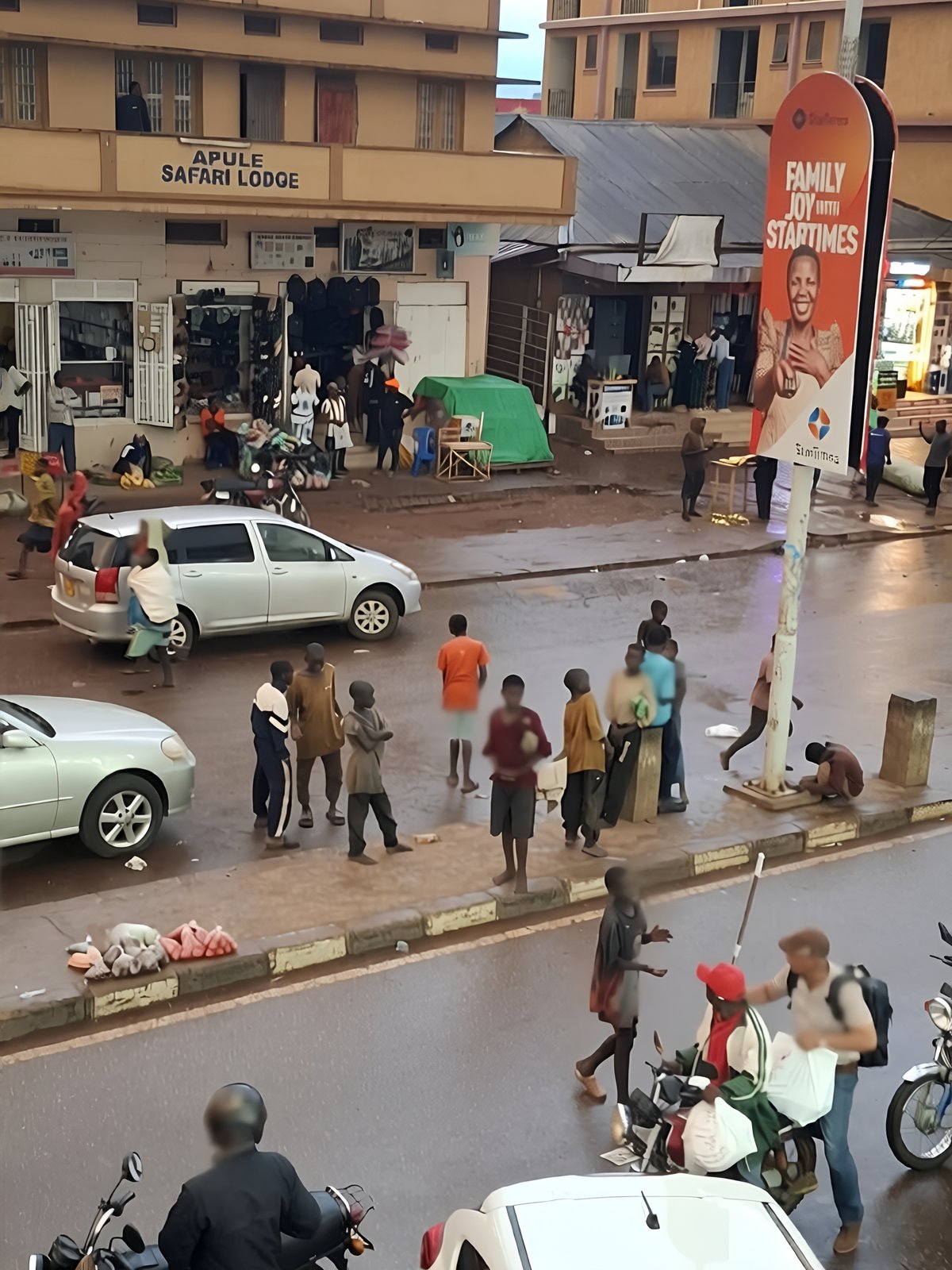
In smaller cities like Mbale, the number of street children is noticeably high relative to the size of the city, partly because children are less often chased away and tend to gather in certain places. In larger cities like Kampala, many children are more spread out and less visible, partly because police often chase them from central areas, pushing them to move frequently or hide.
What matters more than the exact number is understanding the situation behind it and why children end up on the streets in the first place.
Why are they on the street?
Children in street situations in Uganda are not there by choice. A 2025 CRO Mbale survey shows that 86% experienced serious difficulties in their families before coming to the street. The most common reasons include mistreatment, physical or emotional abuse, neglect, and extreme poverty. Family breakdown also plays a big role, and children often struggle when a new partner enters the household. Peer pressure plays a role too, but far less often than family related problems.
Even after reintegration, many children return to the streets, usually because the same problems at home are still there: abuse, poverty, or too much pressure. The street is often not the starting point of the problem, but the result of deeper issues within families and communities.
Push and pull factors
Push factors are the reasons that drive children away from home: abuse, neglect, poverty, family conflict, and too much work. Pull factors are the reasons that attract children to the street or keep them there: the chance to earn money, access to food, a sense of freedom, and being with friends. Even though life on the street is very hard, these pull factors can make it difficult for children to leave, especially if their situation at home does not improve.
Push factors
Pull factors
What is daily life like?
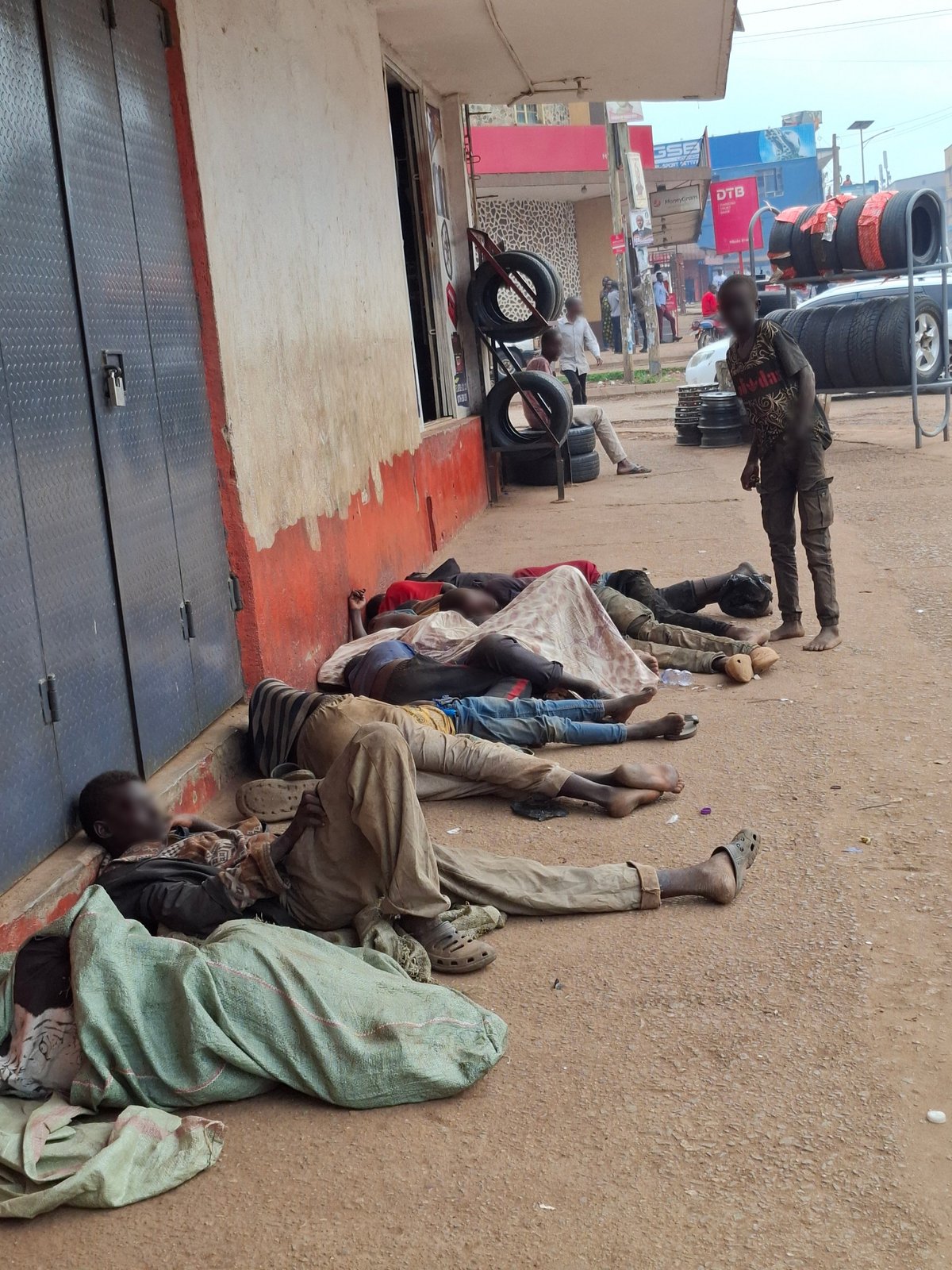
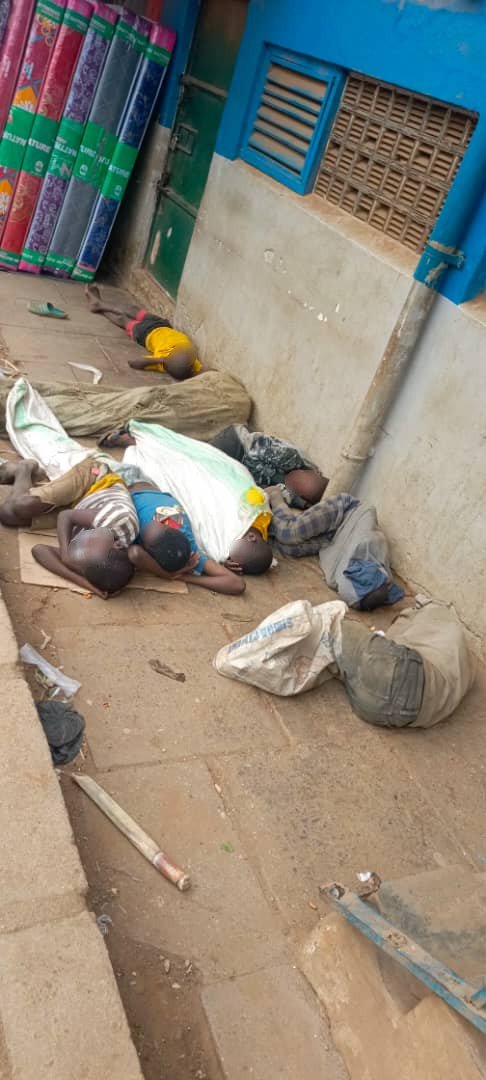
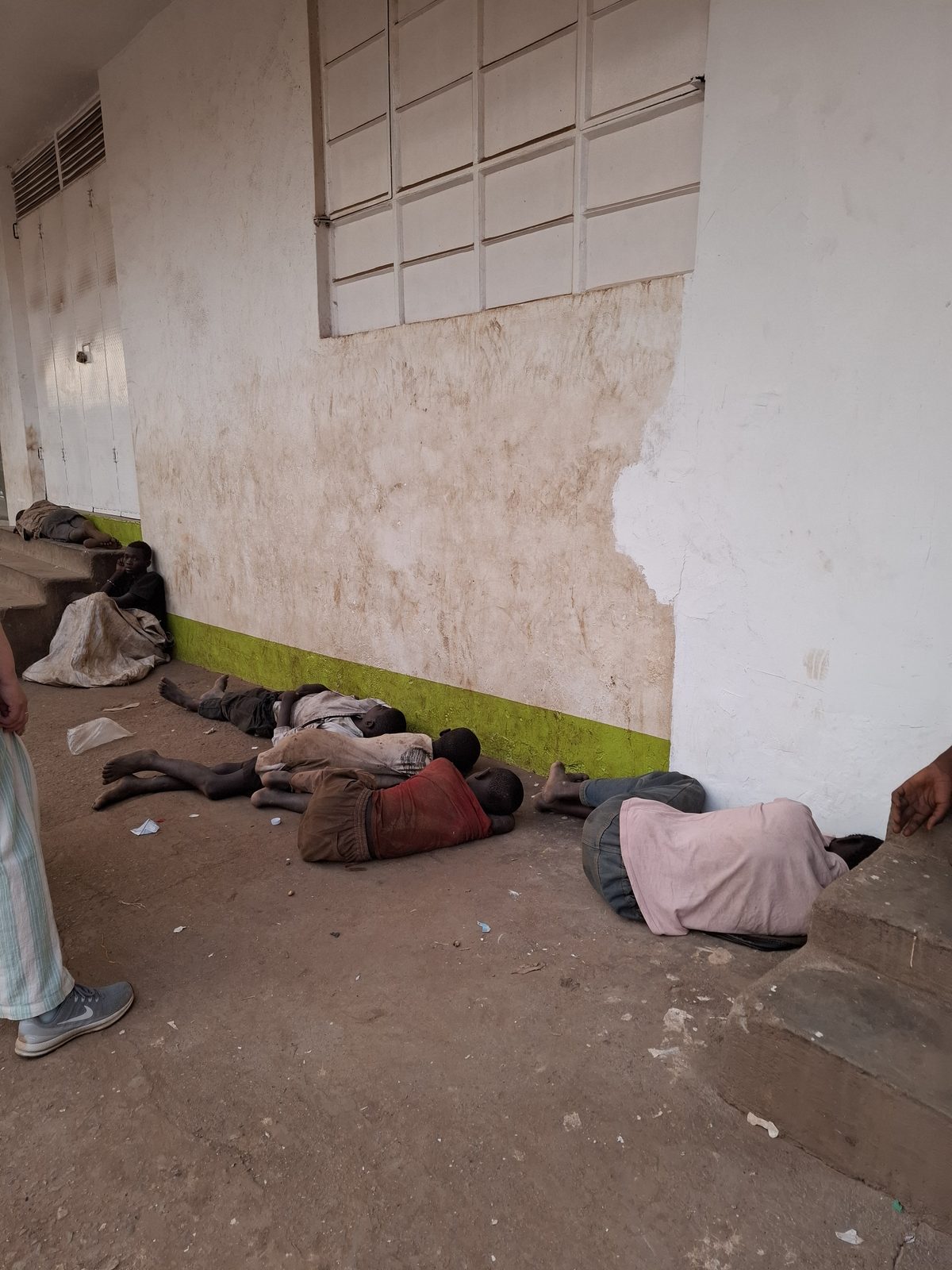
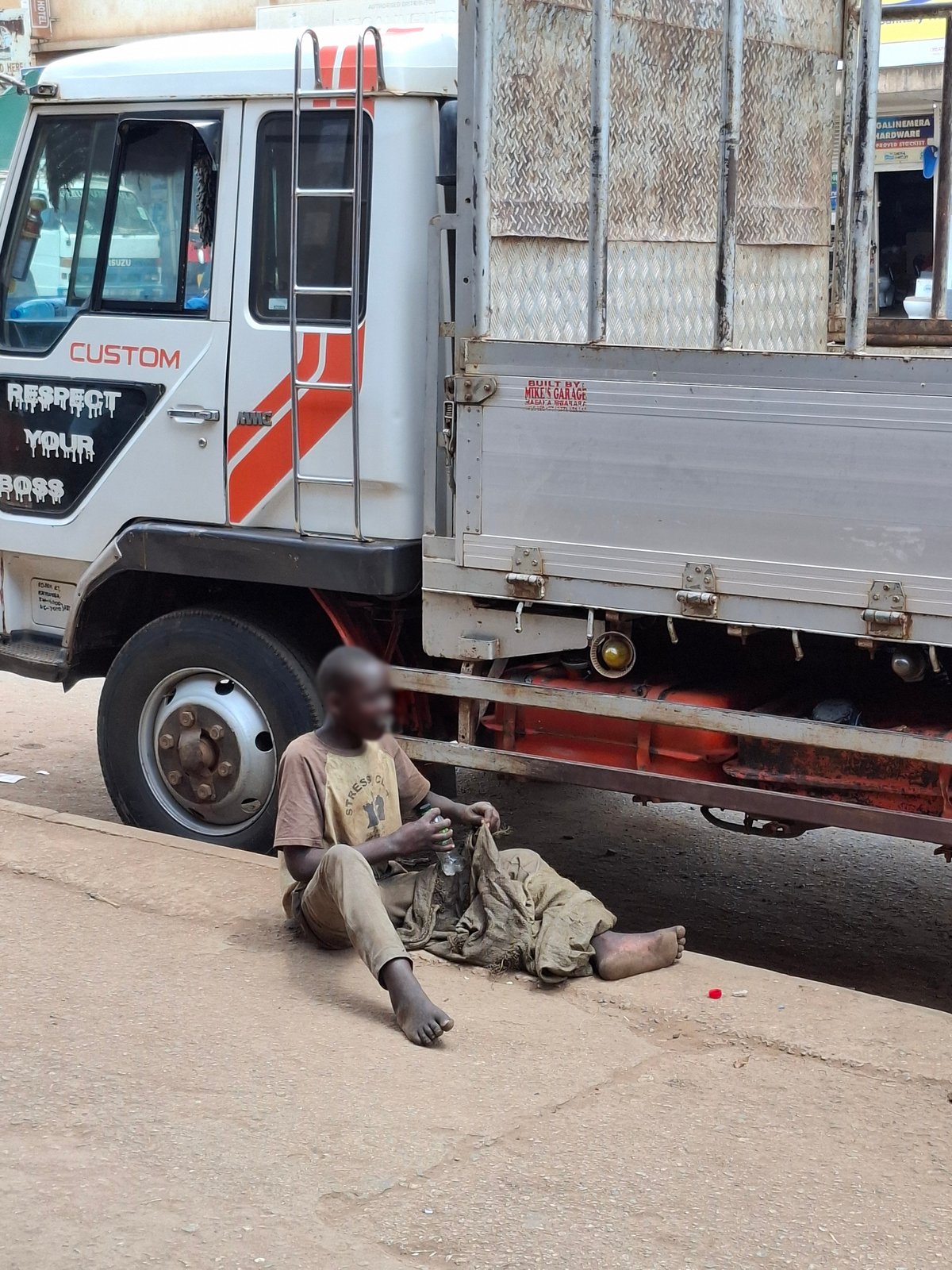
At night, children come together in groups to sleep, staying close for safety and warmth, often wrapped in plastic sacks against the cold and rain. Within these groups, usually one or two children stay awake to watch for danger. Even then, the night is never truly safe: police sometimes chase them away in the middle of the night, or other groups come, leading to fights, violence, or theft of their few belongings.
For children who are new, not yet accepted in a group, or who refuse group dynamics like drug use, the situation is even harder. Many sleep alone, hidden in corners, which makes them more vulnerable.
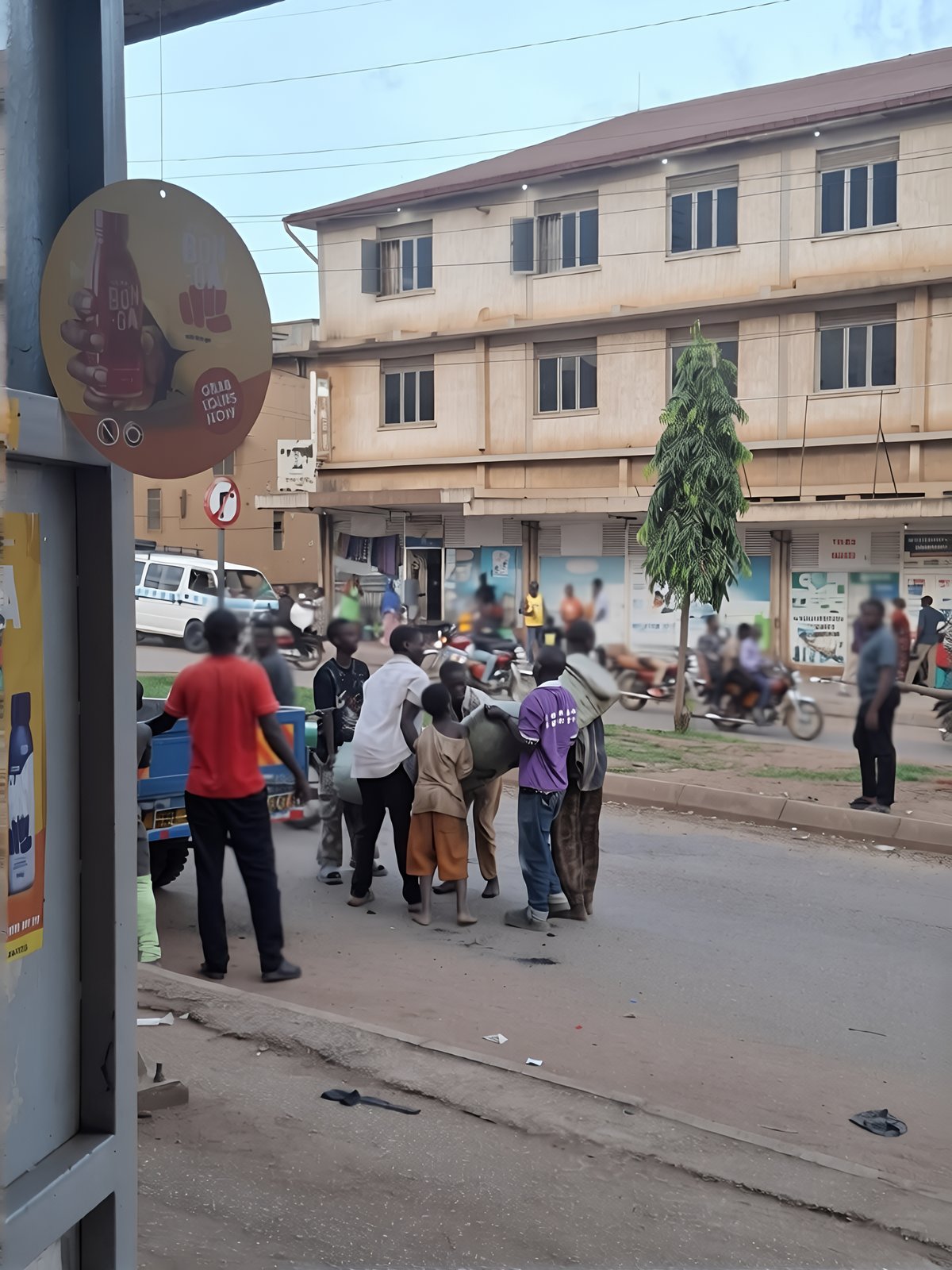
The main focus of the day is finding food or money through small jobs like carrying goods, washing plates, collecting scrap, or begging. Some steal or take risks just to survive, with no guarantee of eating that day. Hygiene is very limited: many children cannot wash regularly, have no clean clothes, and no access to proper toilets or medical care.
Drugs and alcohol are also part of daily life for many. Some start using substances like fuel or glue to cope with hunger, stress, or emotional pain, which over time can lead to strong addiction. Even with moments of play or laughter, daily life on the street is mostly a constant struggle for safety, food, and survival.
How does street life affect their health?
Health is a constant challenge. Many suffer from malaria, coughs, stomach problems, skin infections, and untreated wounds. Poor hygiene and difficult living conditions mean even small injuries can become serious, and access to healthcare is limited.
Mental health is just as affected, even if less visible. Many children have experienced violence, neglect, rejection, or loss before coming to the street, and life there adds daily stress, fear, and insecurity. Some become withdrawn, others show anger or aggressive behaviour, and many struggle with trust and relationships.
Why do children use drugs on the streets?
Drug use is closely connected to the reality of street life. Many children sniff petrol or glue, drink alcohol, smoke marijuana, or even take chemical drugs like opium or heroin, substances that are cheap, easy to find, and fast acting.
One main reason is hunger: substances like petrol or glue reduce the feeling of hunger, so children can go longer without food. Another is the cold, since these substances can make them feel warm or numb at night. They are also used to cope with emotional pain from past violence, rejection, or loss. There is a strong social aspect too: in many groups, using substances is normal, and new children often feel pressure to join in order to be accepted.
Over time, this leads to dependency. What starts as a way to cope quickly becomes something children rely on every day, making it much harder to leave the street even when opportunities are there.
How can people help responsibly?
Helping children in street situations requires more than good intentions. Giving money directly on the street may seem like the fastest way to help, but it can unintentionally become a pull factor. When children receive money, food, or gifts regularly, it can make street life more attractive and reduce their motivation to leave.
There are real risks too. What is given to a child is not always kept by them; it can be taken by older youths or cause conflict, fights, or theft within the group. Instead of helping one child, it can create tension or even put them in danger.
Street life is complex, and most children need more than one moment of help. They need safety, trust, guidance, and long term support. That is why it is more effective to support organisations that work closely with children and understand their individual situations. Organisations like CRO provide structured support such as food, safe spaces, counselling, and reintegration with families where possible, working not just toward what a child needs today, but toward a future where they no longer have to rely on the street to survive.